


Selling a home with solar panels doesn’t have to derail your quick-sale timeline. Many companies that buy your house for cash accept properties with solar installations, though the process requires understanding a few key factors that affect your offer and timeline.
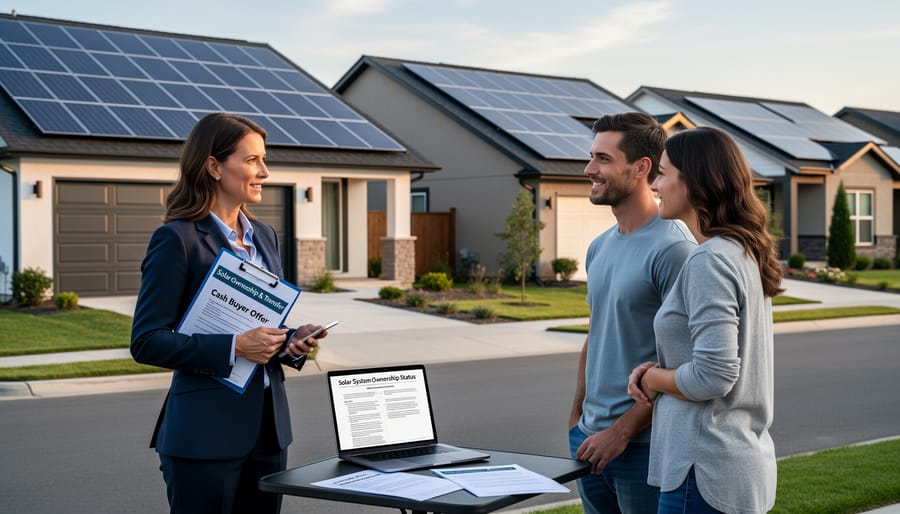
Contact your solar provider first to determine whether you own your panels outright or have a lease or power purchase agreement. Owned systems typically add value and create minimal complications, while leased panels require transfer approval that can extend closing times by several weeks. Cash buyers evaluate this distinction carefully when making offers.
Request a solar system transfer package from your provider including warranty details, production history, and remaining lease terms if applicable. This documentation helps buyers assess the true cost and benefit, potentially increasing your offer. Properties with owned systems generating significant electricity savings often receive stronger offers than comparable non-solar homes.
Identify cash-buying companies experienced with solar properties by asking specifically about their solar acceptance policies and whether they’ve closed similar deals recently. Some buyers discount offers significantly to account for lease transfer complications, while others maintain competitive pricing for owned systems with strong production records.
Prepare for lease buyout discussions if quick closing timelines conflict with transfer approval processes. Some sellers find purchasing their leased system outright simplifies the transaction, though this requires upfront capital. Understanding these options before listing gives you negotiating power and realistic timeline expectations for your solar-equipped property sale.
Why Solar Homes Attract (and Sometimes Repel) Cash Buyers
Solar installations create an interesting dynamic in the cash buyer market. While solar panel benefits like reduced electricity costs and environmental impact appeal to many buyers, the systems can also introduce complexities that some cash investors prefer to avoid.
For many cash buyers, especially property investors, solar panels represent a mixed bag. Owned solar systems typically increase property value by $15,000 to $25,000 on average, making them attractive assets. Cash buyers who plan to rent or flip properties often appreciate the marketing advantage of lower utility bills and eco-friendly features. Understanding how solar panels work helps these buyers recognize the long-term value proposition.
However, leased or financed solar systems present different challenges. Transfer processes can delay closings, which cash buyers typically want to avoid. Some lease agreements require credit approval for the new owner, potentially complicating what should be a straightforward transaction. Cash investors focused on quick acquisitions may reduce their offers or walk away entirely when faced with complex solar agreements.
Property condition also matters significantly. Well-maintained, newer systems with clear warranties attract premium offers, while older installations nearing the end of their lifespan may concern buyers about replacement costs. Cash buyers evaluate roof condition carefully, since solar panels can mask underlying issues that become expensive problems later.
The best-case scenario involves fully owned systems with transferable warranties and clear documentation. These installations genuinely enhance property appeal to cash buyers. Companies specializing in solar homes understand these nuances and can navigate transfer processes efficiently, often offering competitive prices because they’ve streamlined their evaluation procedures.
Your solar system’s ownership structure ultimately determines whether it’s viewed as an asset or obstacle. Owned systems with strong performance records typically attract serious cash buyers, while complicated lease situations may require working with specialized companies experienced in solar transfers.
The Solar Lease Problem: Your Biggest Obstacle to a Quick Cash Sale
Owned vs. Leased: What Cash Buyers Actually Want
Cash buyers view owned solar systems dramatically differently than leased or financed ones. If you own your solar panels outright, you’re in the strongest position possible. Acceptance rates hover around 95% with most cash buying companies, and you’ll typically receive offers at 85-95% of comparable non-solar homes in your area. The transfer process is straightforward since you simply convey ownership to the buyer along with the property deed.
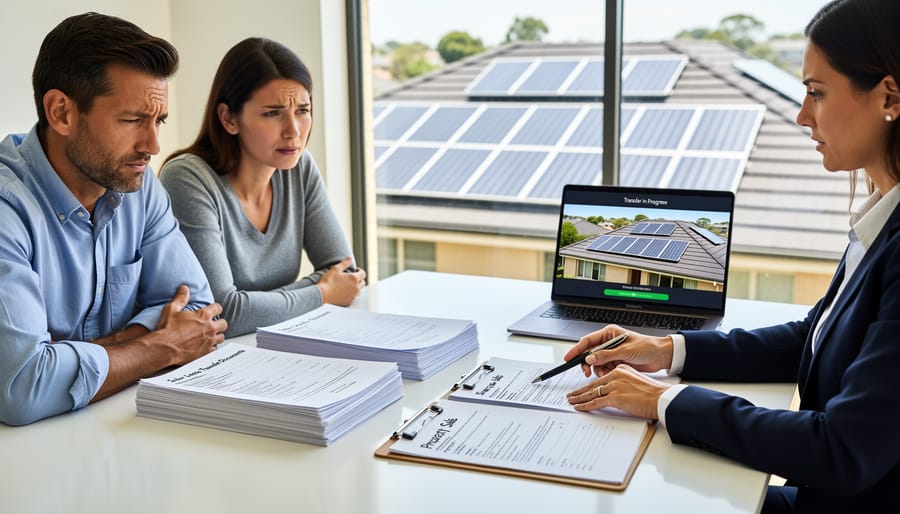
Leased systems tell a different story. Only about 60% of cash buyers will consider homes with solar leases, and those who do typically discount their offers by 5-15%. The hesitation stems from transfer complications. Buyers must qualify with the leasing company, agree to assume monthly payments, and navigate paperwork that can delay closing by weeks. Some companies flatly refuse leased solar properties because the administrative burden outweighs their quick-sale business model.
Financed systems through loans fall somewhere in between. If the loan is secured by the solar equipment rather than your home, you’ll need to pay it off before closing or negotiate with the buyer to assume it. Cash buyers generally prefer you settle these debts upfront, though some accommodate payoff at closing.
The bottom line? Owned solar systems, including different solar storage systems, enhance your home’s appeal to cash buyers. Leased systems create friction that reduces both acceptance rates and final offer amounts. Before selling, contact your solar provider to understand exactly what transfer process applies to your situation.
Breaking Free: Your Options for Resolving Solar Leases Before Sale
If you’re facing a solar lease when trying to sell quickly, you have several paths forward. The most straightforward option is a lease buyout, where you pay the remaining balance to own the system outright. Contact your solar provider for a buyout quote—this typically costs less than the total remaining payments and makes your home more attractive to cash buyers.
Transferring the lease to your buyer is another route, though it requires the new homeowner to qualify through a credit check with your solar company. Start this process early, as approvals can take 2-4 weeks. Some cash buying companies specialize in handling these transfers, which can simplify your timeline significantly.
Negotiation can also work in your favor. Solar companies sometimes offer lease modifications, prepayment discounts, or flexible transfer terms when they understand your sale urgency. Request a payoff statement and explore all available options in writing.
For homeowners inheriting solar-equipped properties or facing relocation, knowing these strategies helps you move forward confidently. The key is starting conversations with both your solar provider and potential buyers early in the process, giving everyone time to find the solution that works best for your situation.
Cash Buyers Who Welcome (or At Least Accept) Solar Homes
National Cash Buyers and Their Solar Policies
The national cash buying landscape offers several options for solar homeowners, though each company approaches solar-equipped properties differently.
Opendoor operates in over 50 markets and generally accepts solar homes, but with specific conditions. If you own your system outright, the process is straightforward—the solar panels transfer with the home just like any other fixture. However, leased systems present challenges. Opendoor typically requires lease buyouts before closing or may reduce their offer to account for the lease obligation. Their online evaluation tool allows you to disclose solar details upfront, helping set realistic expectations.
Offerpad follows a similar approach across its 30+ markets. They accept owned solar systems without issue but exercise caution with leases and power purchase agreements (PPAs). In many cases, they’ll request documentation proving the lease is transferable and that monthly payments are current. Some homeowners report Offerpad adjusting offers downward by several thousand dollars when leases are involved.
Zillow Offers previously operated in this space but suspended their iBuying program in 2021, though they may resume operations. RedfinNow accepts solar homes in select markets but requires detailed system information during the initial assessment.
Regional players like We Buy Ugly Houses (HomeVestors franchisees) evaluate solar on a case-by-case basis, with policies varying by local franchise owner.
Before approaching any buyer, gather your solar documentation—ownership papers, lease agreements, warranties, and recent production data. This preparation streamlines the evaluation process and helps you receive accurate offers quickly.
Local Investors: Finding Solar-Friendly Buyers in Your Market
Local real estate investors often offer more flexibility than large cash-buying corporations, especially when solar panels are part of the equation. These buyers typically understand your regional market’s appetite for solar homes and may even see your installation as an attractive selling point for their future buyers.
Start your search by connecting with local real estate investment groups through platforms like Meetup or Facebook. Many cities have real estate investor associations where members actively seek properties. Attend a meeting or two to network and gauge their interest in solar-equipped homes. Local investors who focus on fix-and-flip or rental properties often appreciate the long-term value solar brings.
When vetting potential buyers, ask specific questions about their experience with solar homes. Request references from previous solar homeowners they’ve purchased from, and verify those transactions actually closed. A legitimate investor won’t hesitate to provide proof of funds and a track record.
Watch for these red flags: buyers who pressure you to sign quickly without proper documentation, those unwilling to provide proof of funds, or investors who suggest transferring your solar lease into their name before closing. Legitimate buyers understand solar transfer requirements and work transparently through the process.
Consider getting multiple offers to compare. While one investor might discount your offer due to solar complications, another may value the energy savings and modern appeal. Local investors invested in your community’s growth often make the most reliable partners for these unique transactions.
How Your Solar System Affects the Cash Offer Amount
When cash buyers evaluate your solar-equipped home, they consider several key factors that directly impact their offer. Understanding this valuation process helps set realistic expectations for your sale.
The most significant factor is ownership status. If you own your system outright, expect a potential premium of 3-8% above comparable non-solar homes. However, leased systems often result in discounts since buyers must assume lease obligations or navigate complex transfer agreements. Cash buyers typically prefer owned systems because they add genuine property value without ongoing complications.
System age and production capacity work hand-in-hand in determining value. Newer systems (under 5 years old) with warranties intact command higher prices. Buyers want evidence that panels generate adequate electricity relative to their rated capacity. A well-maintained 7-kilowatt system producing near its expected output proves more valuable than a poorly maintained 10-kilowatt system with declining performance. Keep recent production reports available to demonstrate your system’s efficiency.
Local energy costs significantly influence perceived value. In regions with high electricity rates like California or Hawaii, solar systems offer substantial ongoing savings, making buyers willing to pay more. Conversely, areas with lower utility costs may see smaller premiums since the financial benefit matters less to purchasers.
Understanding solar system costs helps frame expectations. If your system originally cost $25,000 and reduced electricity bills by $150 monthly, buyers calculate the remaining payback period. A system with 15 years of productive life remaining holds more appeal than one nearing end-of-life.
Cash buyers also factor in aesthetic condition and installation quality. Professional installations with minimal roof penetration points and clean wiring typically receive better valuations. Visible damage, outdated inverters, or non-standard mounting hardware may trigger price reductions as buyers anticipate future repair costs.
Remember that cash offers prioritize speed and simplicity. While solar adds value, buyers discount homes requiring complicated lease transfers or uncertain warranty coverage.
Documents and Information Cash Buyers Will Demand
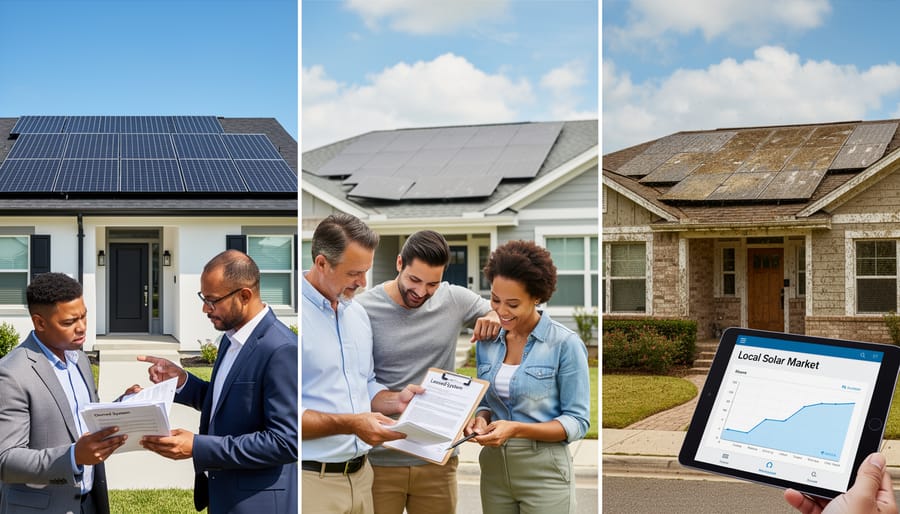
When selling your solar home to a cash buyer, having the right documentation ready streamlines the process and often leads to better offers. Cash buyers need specific paperwork to assess system value, verify ownership, and ensure a smooth transfer.
Start with your solar purchase agreement or lease contract. This fundamental document proves whether you own the system outright or have ongoing obligations. Owned systems are simpler to transfer, while leased systems require additional coordination with the solar company. Include any loan documents if you financed the installation.
Next, gather system performance data from the past 12-24 months. Your solar monitoring app or inverter dashboard typically provides this information. Production records demonstrate that your system operates as expected, giving buyers confidence in their investment. Include any maintenance logs or service records that show proper upkeep.
Warranty documentation is essential. Most solar panels carry 25-year warranties, while inverters typically have 10-15 year coverage. If you’ve added solar battery systems, include those warranties too. These transferable protections add significant value to your home.
Your interconnection agreement with the utility company confirms your system’s legal connection to the grid. This document, along with permits and inspection approvals from your original installation, verifies code compliance.
Finally, compile 12-24 months of utility bills showing your actual energy costs post-solar. These bills provide tangible proof of savings and help buyers understand the financial benefits they’ll inherit.
Most documentation lives in your email inbox or solar company’s customer portal. Request copies from your installer or utility company if anything is missing. Having this complete package ready before contacting cash buyers expedites your sale and demonstrates system legitimacy.
When Selling to Cash Buyers Makes Sense (and When It Doesn’t)
Selling to a cash buyer makes the most sense when time matters more than maximizing your sale price. If you’re facing job relocation with a tight deadline, dealing with an inherited solar property you can’t maintain, or experiencing financial distress that requires immediate liquidity, cash buyers offer speed and certainty that traditional sales rarely match. These companies typically close within 7-21 days and handle the complexities of transferring solar agreements, removing significant stress from already challenging situations.
Cash sales also work well when your solar system complicates traditional financing. Homes with leased panels or power purchase agreements can deter conventional buyers whose lenders impose strict requirements on assumable solar contracts. If your system has an outstanding loan balance that exceeds what most buyers want to handle, cash companies experienced in solar transactions provide a straightforward exit strategy.
However, traditional market sales often make better financial sense when you have time on your side. If your solar panels are fully owned and relatively new, they typically add 4-6% to your home’s market value with the right buyers. Environmentally conscious families actively seeking solar homes will pay premium prices, especially in markets with high electricity costs. The trade-off is patience—traditional sales average 30-60 days, sometimes longer.
Your decision should also consider your system’s condition and warranties. Premium solar installations with transferable warranties and strong production histories attract quality buyers willing to wait and pay more. Conversely, older systems nearing the end of their lifespan or those with maintenance issues might fetch similar offers from both cash buyers and traditional purchasers, making speed the deciding factor.
Evaluate your timeline honestly. Can you afford to wait 60-90 days for potentially 10-15% more in sale price? Or does your situation demand certainty within weeks? Understanding this balance helps you choose the path that protects both your immediate needs and long-term financial interests.
Selling your solar-equipped home for cash doesn’t have to be complicated, but it does require a proactive approach. The key takeaway is understanding exactly what you have: whether your panels are owned outright, financed, or leased makes all the difference in how quickly and smoothly you can close a deal.
If you own your system free and clear, you’re in the strongest position. Your solar panels become a value-add that appeals to both traditional cash buyers and specialized investors. For those with financed systems, paying off the remaining balance or finding buyers willing to assume the loan streamlines the process considerably. Leased systems present more challenges, but they’re far from deal-breakers when you work with buyers experienced in solar transfers and communicate transparently about obligations.
The cash home buying market has evolved to accommodate solar homes, with several companies now specializing in these properties. Take time to compare offers, as valuations can vary significantly based on how different buyers assess solar value. Request detailed explanations of how your system impacts their offer, and don’t hesitate to negotiate or seek multiple bids.
Your solar investment represents forward-thinking energy independence. With proper preparation, clear documentation, and the right buyer, you can leverage that investment effectively even in a quick-sale scenario. Battery Guru’s mission is empowering homeowners with the knowledge to make confident, informed decisions about their clean energy choices, whether you’re installing panels or navigating a home sale.
